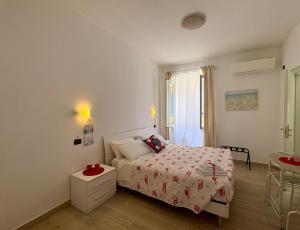
Hotel Carla
Levanto - via Galli 3
Book now
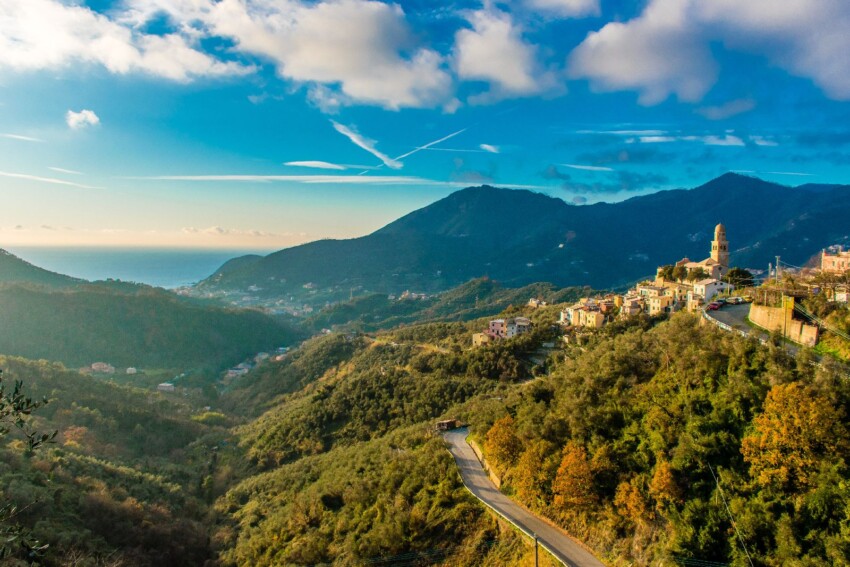
Two types of visitors fill the bed and breakfasts and hotels of Levanto: sun-seekers and nature-loving sports enthusiasts.
The former are delighted by an expansive sandy beach, one of the longest on the Riviera di Levante, and by tiny hidden coves dotted along the coast; the latter spend their days hiking and cycling through verdant landscapes.
To these add couples seeking romantic sunsets and picturesque vistas, surfers chasing beaches with the perfect swell, and all those travellers who find Cinque Terre too crowded for an overnight stay.
Whether you prefer a leisurely pace or an adrenaline-fuelled adventure, the choice of holiday you want in Levanto is entirely yours: the options are genuinely abundant.
Beyond its main attractions—beaches and a network of trails spanning more than 50 km—this historic town nestled on its eponymous gulf offers countless experiences perfect for shaking off a year’s worth of work stress: thrilling boat trips, a relaxing cycle and pedestrian path with stunning sea views, visits to renowned wineries, gourmet dinners and unforgettable day trips exploring Liguria‘s treasures.
Once an exclusive seaside resort (the Agnelli family built a villa here), Levanto is now a dream within everyone’s reach.
A stroll through Levanto’s centre is a journey through art, history, food and wine, and quirky delights: wander through the old town at a leisurely pace, then devote time to nearby attractions.
The Medieval Loggia is one of Levanto’s architectural treasures, so much so that it has earned UNESCO recognition for its historical and artistic value.
Overlooking a small square of the same name and raised about a metre above street level, the Loggia is one of the few late medieval buildings of this kind that has survived to the present day in Liguria and is characterised by elegant arcades with Romanesque-style capitals. Its construction dates to around the 12th century.
The Levanto Castle is known by different names (Castle of San Giorgio, Monale Castle, Malaspina Castle), but you won’t confuse this imposing building perched on a small hill south of the old town with any other structure.
The castle you see today is a 16th-century reconstruction of an ancient keep from the 12th century. Over the centuries it served as a fortress, the seat of Levanto’s captaincy, and a prison; currently in private hands, it opens to visitors only for special events.
It has a quadrangular shape and features a circular tower; according to local legends, underground tunnels connect it to the beach below and the Church of the Annunciation.
Levanto Castle is part of the defensive system built in the Middle Ages to protect the town. This system included a city wall, three towers that still exist today (including the castle tower and the Clock Tower behind the Oratory of San Giacomo) and several gates, of which only one survives (the Porta del Fossato or Water Gate).
The castle tower is the starting point of a pedestrian route that allows you to admire the town walls. From the Porta del Fossato, you can access the trail to Monterosso.
Art and irony will surprise you unexpectedly as you wander through Levanto’s centre. At the corner of via Garibaldi and via Vinzoni, raise your eyes to the façade of the first building and you’ll see a series of curious frescoes that have become famous as “The Grotesques“.
These are caricature portraits dating from the 16th century whose artist is unknown but which represent an expression of a decorative tradition once very popular in Liguria, now virtually disappeared.
The bizarre poses of the depicted figures, quite different from the elegant postures of official portraits, make for amusing photographic subjects.
Among Levanto’s churches, the Church of Sant’Andrea is arguably the finest, a beautiful example of Ligurian Gothic easily recognisable by its façade of white and black stone, crowned by an impressive rose window.
The church was built in the 13th century but underwent modifications during the Renaissance; inside it houses interesting works of art including a 14th-century crucifix.
It’s worth dedicating some time to the neighbouring villages of Bonassola and Framura, easily reached by the cycle path or by car: they are two charming hamlets nestled between sea and hills, with a very peaceful atmosphere.
Wandering through the characteristic streets of the old centres you’ll discover romantic corners, the ruins of a castle and historic churches.
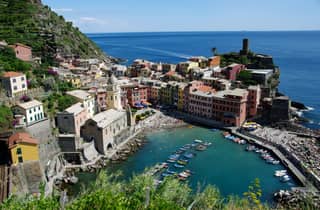
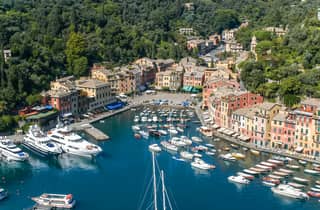
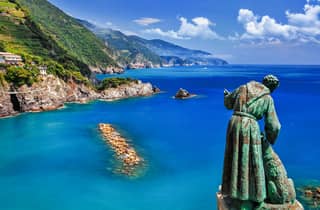
Given its position almost midway between Cinque Terre and the Gulf of Tigullio, Levanto is an excellent base for visiting all the most famous locations on the Riviera di Levante in a day trip, including Portofino, Camogli, Rapallo and of course the Cinque Terre villages.
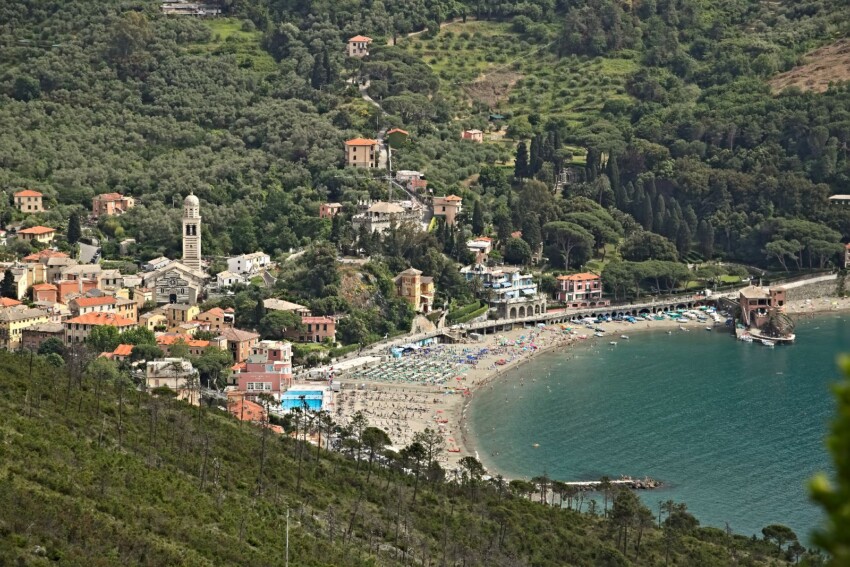
“A preia” is the rocky outcrop that marks the edge of the bay where Levanto sits and which gives its name to the seafront promenade: from here begins a succession of beaches, both free and equipped, to suit every taste.
The first you’ll encounter, right behind the famous rock, is Via au Mô’, a small beach near the breakwater with fine sand and pebbles. It’s recommended for snorkelling and diving enthusiasts, but not ideal for sunbathing as it stays in shade all morning.
Heading west you’ll find the Levanto main beach6, a fine sandy beach with shallow waters, perfect for small children and inexperienced swimmers. From here begins a succession of similar beaches, some free others with beach clubs, ending with the Scarpinera Beach7. These are typical town beaches, easy to reach and often busy, recommended for those who love good swimming and convenient facilities.
Beyond the larger beaches you’ll find the Bonassola Beach8, also generally very popular, and the quieter Framura Beach9.
To discover wilder-looking beaches, explore the small coves that dot the coastline corresponding to the Maremonti cycle path: they’re mostly pebbly and rocky shores, but you’ll also find the occasional small patch of coarse-grain sand.
If you’re willing to drive an hour or less you can reach all the most famous seaside spots on the Riviera di Levante including Santa Margherita Ligure, Chiavari, Portovenere, Lerici.
In the following map you can see the location of the main places of interest mentioned in this article.
Levanto is an ideal destination for hiking enthusiasts: there are more than 50 trails in the area, catering to all levels. Easy walks or demanding treks for experienced hikers, all are fascinating routes that wind through villages, woodlands, vineyards and olive groves or along the coast, offering spectacular views.
What are the most beautiful trails around Levanto? Here are the recommended walking routes.
Those who prefer two wheels to hiking will also find plenty to enjoy: besides trekking trails, Levanto is the starting point for numerous mountain bike trails and routes suitable for e-bikes, to the delight of experienced riders and cycling newcomers who prefer the assistance of electric pedal power.
For many Levanto visitors the top attraction is the Maremonti cycle and pedestrian path, an easy 5 km route leading to Bonassola and Framura.
The Levanto-Framura cycle path follows the route of a former railway that ran alongside the sea, allowing you to admire the three villages and the coastline connecting them; from here you can drop down to the coves and small beaches that dot the shore.
Designed for bicycles, it can also be walked, tackled on roller blades or longboards. Completely flat, it’s an asphalt surface, easy and suitable for everyone; the tunnels you pass through are all illuminated.
If easy cycling doesn’t satisfy you, try these mountain bike routes around Levanto, designed for experienced riders:
The choice of accommodation in Levanto is greater than in Cinque Terre and prices are slightly lower: this is why many travellers choose it as a base for exploring nearby villages.
The options are varied, suitable for different types of holidays. For a seaside holiday you can choose from numerous bed and breakfasts and holiday rentals close to the beach; if you’re coming to Levanto for nature and trekking, a farm stay or apartment in the hills, just a few kilometres from the old town, would be better.
Levanto’s hotels are all concentrated in the centre within walking distance of the sea, except for a 4-star property nestled in greenery just 2 km from town.



Getting to Levanto by car is straightforward: take the A12 Genova-Livorno motorway, exit at Carrodano and follow the signs. Although it lengthens the journey by several kilometres, the motorway is the fastest route as it saves you driving on provincial roads which in places are very steep and winding.
Note that car parks in central Levanto are paid, but you can park free by leaving your car one or two kilometres away.
Another easy and economical way to reach Levanto is by train. Levanto station is on the Genova-La Spezia railway line, served by numerous regional and Intercity trains.
You can also reach Levanto by sea: it’s more expensive and slower, but a fascinating journey. Ferries to Levanto depart from La Spezia, Lerici, Portovenere and Cinque Terre (excluding Corniglia, which has no seafront); note, however, that some services are seasonal.
What's the weather at Levanto? Below are the temperatures and the weather forecast at Levanto for the next few days.
Levanto is a locality in La Spezia province, in eastern Liguria. The provincial capital lies approximately 40 km away to the east, whilst Genoa is around 80 km to the west. The nearest Cinque Terre village is Monterosso al Mare, reachable in about 20 minutes by car, or by train or boat.

 Hotel
Hotel 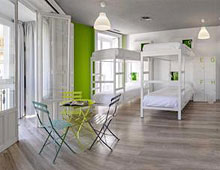 Budget accommodations
  Apartments
  Family Hotel
 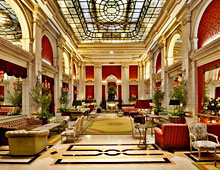 Luxury Hotel
 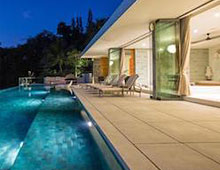 Resorts