Villa Giada Resort
Imperia - Strada Colla 103 - 123
Book now
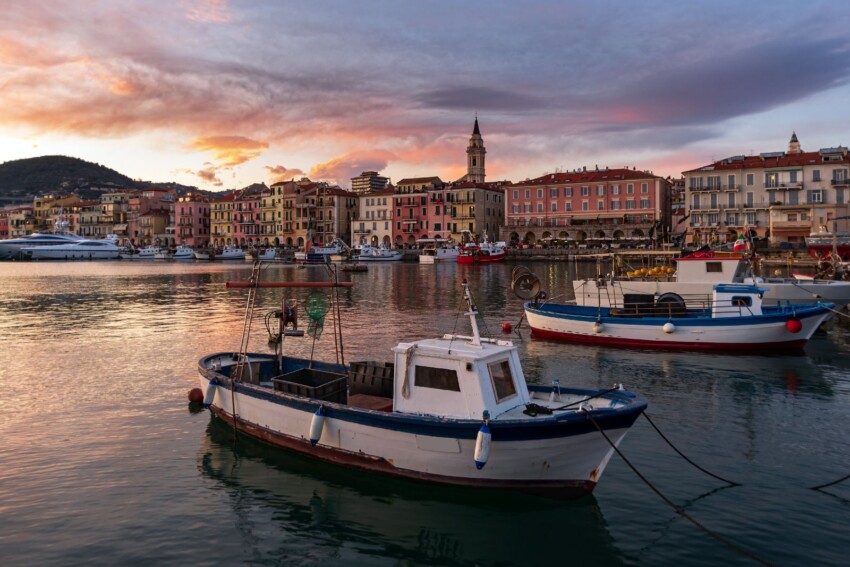
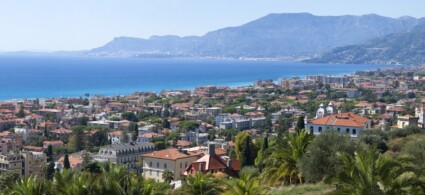
Imperia is a mosaic of atmospheres and emotions. Its municipal territory stretches along the coast, into the hills and valleys, encompassing 11 hamlets that were once distinct towns; they were unified in 1923. Two of these, Oneglia and Porto Maurizio, are considered Imperia’s two souls: the former sits at the mouth of the Torrente Impero, which gives the city its name, whilst the latter stands on the Parasio headland.
Once an industrial city, now converted to tourism, Imperia lies along the Riviera dei Fiori (part of the Riviera di Ponente), the same stretch as Sanremo and vibrant seaside resorts.
It has plenty of strings to its bow: a succession of sandy, pebbly or rocky beaches, picturesque views, interesting cultural attractions, an exuberant villa and fun activities such as a sailing or speedboat excursion if you prefer something more thrilling.
Add to this excellent Ligurian cuisine, a very lively nightlife (with venues along the seafront, in the town centre and on the beach), good value hotels and bed & breakfasts, and proximity to famous tourist destinations.
The most interesting attractions in Imperia are concentrated in the two main hamlets of Oneglia and Porto Maurizio, but there are things to see throughout the city. A good starting point for exploring Imperia is Piazza Dante, overlooked by the former Town Hall.
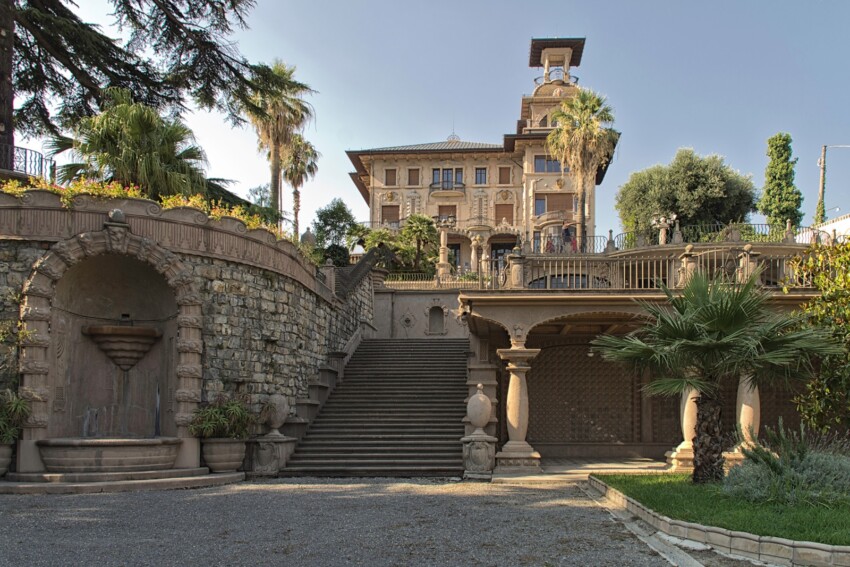
Imperia’s most original attraction is Villa Grock, a most distinctive stately residence that belonged to Adrien Wettach (Grock was his stage name). Known as the “King of Clowns”, he was a complete circus artist (clown, acrobat, juggler, aerialist and musician), capable of thrilling crowds at his performances.
In the early 1920s, he came to Imperia to visit his in-laws who were on holiday, fell in love with the place and decided to buy Villa Bianca (renamed Villa Grock in his honour), an elegant villa with grounds that he first used as a holiday home and later as his permanent residence until his death.
Refined yet eccentric at the same time, Villa Grock is a unique blend of architectural and decorative elements that evoke the circus world, Art Nouveau style and influences from contemporary artists such as Dalí, Picasso and Gaudí. Impossible to label with a single style, the villa is the expression of an extraordinary personality with boundless creativity.
Since 2010, it has been open to the public and hosts an original museum, both entertaining and nostalgic, that uses modern technology to bring back to life the magic of creativity spanning the nineteenth and twentieth centuries.
The visit also includes the villa’s park, designed by Grock himself, who was a great plant lover. Elegant like typical Riviera gardens, with an extra touch of liveliness from the fertile imagination of its first owner and creator, it’s a park not to be missed.
The Museo dell’Olivo Carlo Carli is dedicated to one of Liguria’s symbolic plants and one of the most important economic activities in the province of Imperia.
It is a private museum housed in an elegant Art Nouveau building that was the first headquarters of the Fratelli Carli company. It tells the fascinating story of oil and the olive tree from every possible perspective: historical, symbolic, artistic, botanical, commercial, agricultural, economic and technological.
On display you will find the most interesting pieces from the private collection started by Carlo Carli and expanded by other family members: splendid oil vessels in precious materials, ampullae, eighteenth-century oil lamps, lucernae, tools used in olive cultivation, ancient oil jars, presses from the sixteenth to the nineteenth century, objects for the cosmetic use of oil and even the fossilised trunk of a wild olive tree dating back 12 million years.
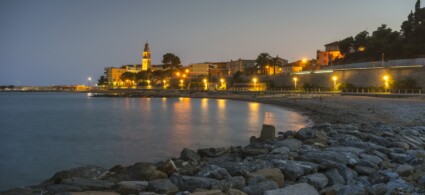
The Spianata Borgo Peri is a relaxing seafront promenade that runs parallel to the beaches and harbour; very wide, it is lined with a balustrade on one side and a row of palms on the other.
To the west of Borgo Peri begins Calata Cuneo: this is what the quay of Oneglia’s commercial port is called, lined with a row of porticoed houses in pastel colours. This area is a popular meeting spot for locals, both day and night. Many venues overlook the quay, perfect for an aperitif or a drink after dinner.
From the quay you can access the Molo Lungo, at the end of which you will find a green lighthouse. From the pier you can take magnificent photographs of the harbour with the colourful houses of Calata Cuneo in the background, and once you reach the lighthouse you can admire the hamlet of Porto Maurizio.
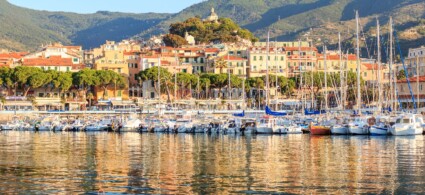
Borgo Marina is the tourist harbour area: once a quiet fishing hamlet, it is now a lively zone of bars, restaurants and ice-cream shops. You can enjoy dinner comfortably seated at a venue or, like locals do, grab something to takeaway and eat sitting on a pier bench.
Parasio is perhaps Imperia’s most characteristic quarter, a typical hamlet of staircases, alleyways, colourful houses and picturesque views.
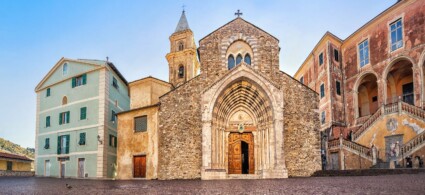
This area is home to three historic churches: the Cathedral of San Maurizio, the Convent of the Sisters of Santa Chiara, the Oratory of San Pietro and the Church of the Knights of Malta. Other interesting attractions in the area include the Cavour Theatre and the International Naval Museum of the Ponente Ligure.
Imperia is one of Italy’s most interesting cities for street art, both for the presence of colourful murals that deserve to be admired and photographed (concentrated in the Via Ballestra area, along the Prino river) and for the organisation of the Writing Day, a biennial event that attracts writer artists from across Italy.
In the following map you can see the location of the main places of interest mentioned in this article.
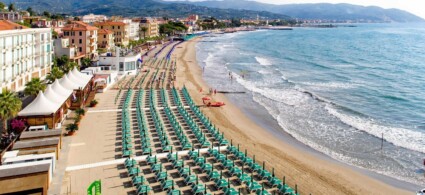
The beaches of Imperia cater to every taste: without leaving the municipal area you can find beaches of fine sand, pebbly beaches and rocky shores.
The former stretch along the Porto Maurizio coastline, particularly in the Marina di Prino areas and include both free sections and beach clubs with full facilities. For pebbly beaches, head to Oneglia, particularly from the Borgo Peri esplanade to Scoglio della Galeazza.
Rocky shores are scattered along the entire coast: some are very popular, such as those near Marina di Porto Maurizio and between the Anfiteatro della Rabina and Galeazza, whilst others are quieter.
Leaving Imperia municipality, you can easily reach the main seaside resorts of the Riviera di Ponente, including Arma di Taggia, Diano Marina, Cervo and San Lorenzo al Mare.
Since shedding its industrial city label and confidently turning towards travellers, Imperia has significantly expanded its hotel offerings to meet the needs of different types of visitors.
Today, throughout the various hamlets that make up the city, you can find a wide choice of hotels, bed & breakfasts, residences and holiday lets with good value for money. Choosing where to stay depends on the type of holiday you want, but generally the historic centre and seafront are the best areas.


Imperia is a municipality in western Liguria and the capital of its province. It is approximately 110 km from Genoa and about fifty kilometres from Ventimiglia and the French border.
It is easily reached by car via the A10 motorway or the SS1 Aurelia state road. Rail connections are also good, as throughout Liguria.
Local buses connect Imperia to all the main cities in the region, whilst some long-distance buses to and from France stop in Imperia.
What's the weather at Imperia? Below are the temperatures and the weather forecast at Imperia for the next few days.
The most well-known town in the province of Imperia is certainly Sanremo, the city of flowers and Italy’s most famous television show. Avoid the festival days and other major events: enjoy Sanremo’s beauty when the celebrities and journalists have left.
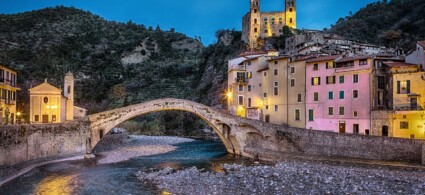
At the western edge of the province lies Ventimiglia, a border town often overlooked by tourists but with much to offer. Attractions worth visiting include the Grotta dei Balzi Rossi and its archaeological museum, the Hanbury Botanical Gardens and an important archaeological site.
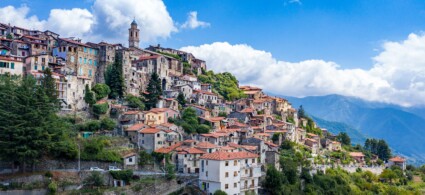
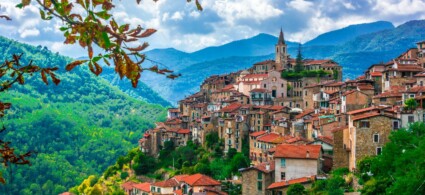
Leave the mild climate, sunshine and flowers of the coast to discover the mysterious treasure of the province of Imperia: Triora. A tragic sixteenth-century trial marked the history of this hamlet nestled in a splendid natural setting, but the witches are having their revenge today, becoming the main tourist attraction of the town.
 Hotel
Hotel 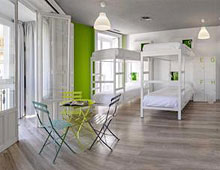 Budget accommodations
 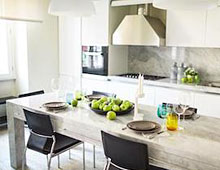 Apartments
 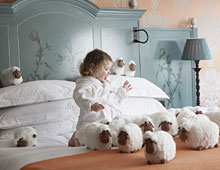 Family Hotel
 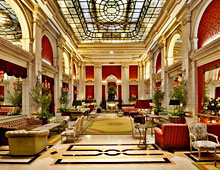 Luxury Hotel
  Resorts