Things to Do in Genoa
Never considered Genoa for a weekend? Think again: it's brimming with things to see. You'll find major attractions like the Aquarium as well as lesser-known gems.
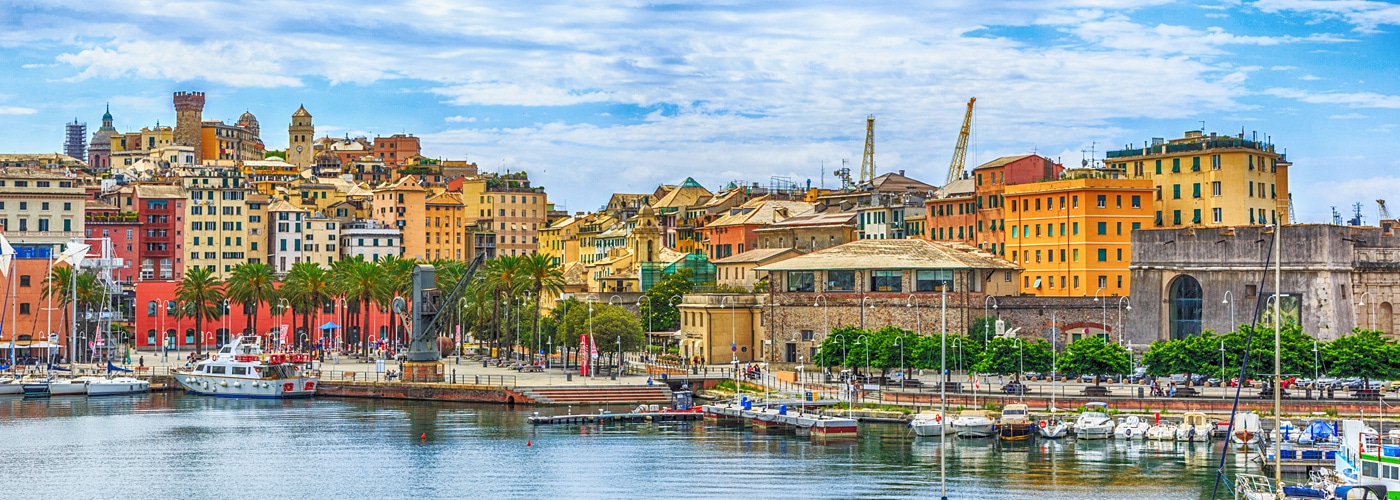
Genoa and the sea are inseparable, yet without the mountains surrounding it, the Ligurian capital might seem like any other port city. Instead, it’s utterly unique, surprising and magical: it deserves far more than a fleeting day trip just to visit the Aquarium.
La Superba is a city full of contrasts that demands exploration to truly win your heart. It’s not an easy city, and far too often gets dismissed as merely a stopover, when in fact it has all the credentials to be the star of an exhilarating weekend in Liguria or indeed an entire holiday.
It’s best explored on foot (though with some effort!): wear comfortable shoes and set off in search of Genoa’s treasures. We’ve listed them in no particular order, as it’s difficult to rank attractions so varied, each one unmissable.
Genoa’s ancient maritime traditions, shaped by navigators and explorers including Christopher Columbus—whom Spain disputes—are the main draw, and you can relive them in a revamped Old Harbour that has become a vibrant city hub thanks to modern attractions celebrating the city’s proud past, plus waterfront bars perfect for an aperitivo and pleasant waterside walks. The wealth accumulated through years of trade is still evident in the opulence of the baroque streets, grand palaces and historic churches.
Genoa’s secrets lie hidden in the caruggi, the famous alleyways of the old town hemmed in by towering tenement buildings, the city’s architectural hallmark. Don’t miss the remarkable Genoese school of singer-songwriters, a creative powerhouse that shaped Italy’s singer-songwriter tradition.
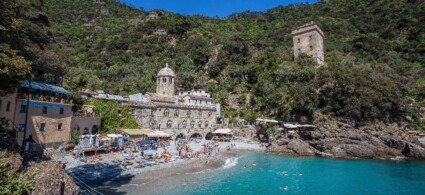
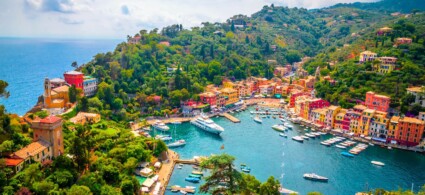
With more time, you can visit an extraordinary array of themed museums, join thrilling whale-watching tours or gastronomic tours sampling Genoa’s finest street food, take cooking classes to master authentic Genoese pesto, or embark on memorable day trips to Portofino, San Fruttuoso Abbey or even the Cinque Terre.
Genoa can be visited year-round: it enjoys a Mediterranean climate, with mild winters (considerably more pleasant than elsewhere in northern Italy) and warm but not scorching summers. It offers plenty of indoor and outdoor attractions and a packed calendar of events.
Spring and summer are the best times to enjoy waterfront walks and outdoor bars at their best, and perhaps carve out time for a beach visit.
Visitor numbers drop in autumn and winter: the advantages of visiting Genoa then are lower prices for flights and hotels, plus shorter queues at major attractions, particularly the Aquarium, which sees very long queues in summer.
On average, January is the coldest month and November the wettest.
Genoa’s most famous attractions are rooted in the city’s maritime heritage. The one that draws the most visitors by far is the Aquarium, one of Europe’s largest and most spectacular.
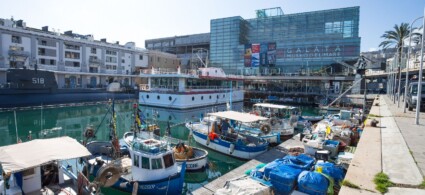
Equally unmissable is Galata Museo del Mare, an original museum exploring life at sea from every angle, blending nostalgia, romance, fear and modernity. Moored in the water in front of the museum is the Nazario Sauro submarine: you can visit it inside, if you’re not claustrophobic!
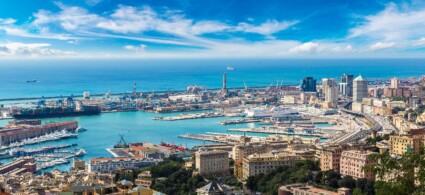
The Aquarium and Galata Museo del Mare are just two of the many attractions in Genoa’s Old Harbour, an area once in decline that’s been revitalised with interactive museums, restaurants and a lovely waterfront promenade, and is now a popular meeting place for locals.
West of the harbour, within walking distance, stands Genoa’s other major maritime landmark: the lighthouse La Lanterna, the city’s symbol.
Very different atmospheres await in Genoa’s centre, where elegant streets and squares lined with splendid palaces and caruggi brimming with local character conceal architectural treasures such as the Cathedral of San Lorenzo and the Rolli, a small museum dedicated to De André and Genoese singer-songwriters, the city’s best focaccia bakeries and lively bars with live music.
Outside the centre, don’t miss the distinctive Castello d’Albertis, home to the Museum of World Cultures.
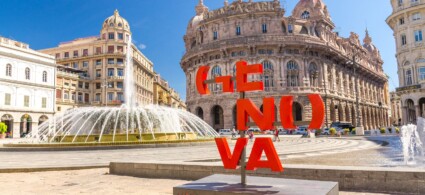

Genoa is easy to reach by any means of transport as it sits on all Italy’s major transport routes.
It has an airport served by budget domestic flights. The terminal is about 7 km from the centre and can be conveniently reached by taxi (15 minutes) or bus shuttle (30 minutes).
Genoa’s two main railway stations are Genova Principe and Genova Brignole. The former, in the old town, is the main station for trains to Milan and Ventimiglia (from where you can continue to France). Brignole is served by trains from Rome and Turin.
You can easily drive to Genoa from any direction as it sits at the centre of a motorway network comprising the A7 Milan-Genoa, A10 Ventimiglia-Genoa, A12 Livorno-Genoa and A26 Gravellona-Toce-Genoa.
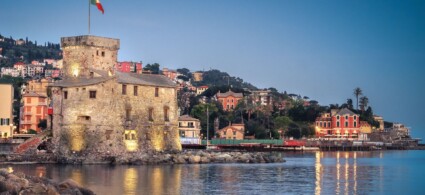
Another option is to reach Genoa by sea. You can arrive by ferry boat from major Ligurian resorts (Nervi, Recco, Camogli, San Fruttuoso, Portofino, Cinque Terre): some services run year-round, others are seasonal.
You can also arrive by ferry from Sardinia, Corsica, Sicily, and even Spain (Barcelona), Tunisia and Morocco.
Genoa’s tourist attractions are concentrated in two adjacent areas: the old town and the Old Harbour.
Booking a hotel in these zones is the best solution for those arriving by public transport who want to explore on foot once they get here. If you prefer a quieter neighbourhood, Castelletto is an excellent choice, easily reached on foot from the centre.
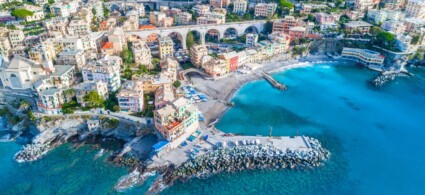
For those arriving by car, the centre can be a nightmare, what with traffic and lack of parking. In that case, the best areas to stay in Genoa are Marassi, which is convenient to reach, and Boccadasse, which is more charming.
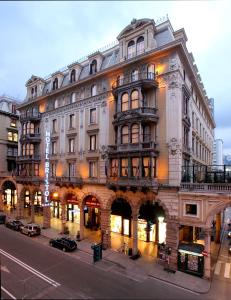


Genoa’s centre and Old Harbour are easily navigated on foot; you can also walk to the ferry terminal and cruise embarkation point, but if you have heavy luggage, it’s better to take a taxi.
Genoa has a metro connecting the Brin area to Brignole, spanning 7 km with 8 stations, but tourists generally have little need for it. The city’s public transport includes an extensive network of buses, lifts and funiculars.
Driving in Genoa can be tricky if you’re unfamiliar with the city. We recommend those arriving by car leave it at their hotel, explore on foot or by public transport, and only take it out for trips outside the city.







 Hotel
Hotel  Budget accommodations
  Apartments
  Family Hotel
  Luxury Hotel
  Resorts